




On-Page SEO Services
That Make Every Page Rank
Strategic on-page optimization that helps search engines understand your content and rank it for the right keywords. We optimize your pages to attract more qualified traffic and convert visitors into customers.





What is On-Page SEO?
On-page SEO is the practice of optimizing individual web pages to rank higher and earn more relevant traffic from search engines. It involves optimizing both the content visitors see and the HTML source code that search engines read—ensuring your pages clearly communicate their relevance for target keywords.
Effective on-page SEO helps search engines understand what your page is about, who it’s for, and why it deserves to rank. It bridges the gap between what users search for and what your content delivers—making your pages more discoverable and more useful.
Key on-page SEO elements: title tags, meta descriptions, header tags (H1-H6), keyword optimization, content quality, internal linking, image optimization, URL structure, semantic markup, user experience signals.
On-page SEO is the foundation of search visibility. Without proper optimization, even great content struggles to rank—search engines simply can't understand what your pages offer or who should find them.
Search engines need clear signals
Google processes billions of pages. On-page optimization provides the explicit signals that help search engines categorize your content, understand its relevance, and match it with the right search queries.
Title tags directly impact click-through rates
Your title tag is often the first thing searchers see. A well-optimized title can significantly increase clicks from search results—even if you're not in the top position. Higher CTR can also positively influence rankings.
Content optimization captures search intent
Google rewards content that comprehensively satisfies user intent. On-page optimization ensures your content addresses what searchers actually want—not just the keywords they type.
Internal linking distributes authority
Strategic internal links help search engines discover your content and understand the relationships between pages. They also distribute ranking authority from strong pages to pages that need a boost.
Our On-Page SEO Services
We provide comprehensive on-page optimization services that improve how search engines understand and rank your content.
Keyword Research & Mapping
We identify the keywords your target audience uses and map them strategically to your pages. Each page gets a focused keyword strategy based on search volume, competition, and commercial intent.
Includes: Primary and secondary keyword identification, search intent analysis, keyword-to-page mapping, competitor keyword research, long-tail keyword opportunities, keyword gap analysis.
Title Tag & Meta Description Optimization
We craft compelling title tags and meta descriptions that include target keywords while encouraging clicks. These elements directly influence both rankings and click-through rates from search results.
Includes: Title tag optimization for keywords and CTR, meta description writing, character length optimization, unique titles for every page, SERP preview testing, A/B testing recommendations.
Header Structure & Content Optimization
We optimize your content structure and headers to clearly communicate topics and subtopics to both users and search engines. Proper header hierarchy improves readability and helps Google understand your content's organization.
Includes: H1-H6 header optimization, content structure improvements, keyword placement in headers, semantic heading hierarchy, featured snippet optimization, content readability improvements.
Semantic SEO & Entity Optimization
We optimize content for semantic relevance—not just keywords. This includes incorporating related entities, concepts, and terms that help search engines understand the full context and depth of your content.
Includes: Entity identification and incorporation, semantic keyword integration, topic comprehensiveness analysis, related terms optimization, natural language optimization, topical authority building.
Internal Linking Strategy
We develop strategic internal linking structures that help search engines discover and understand your content while distributing ranking authority throughout your site.
Includes: Internal link audit, anchor text optimization, hub and spoke linking structures, orphan page identification, link equity distribution strategy, contextual link placement.
Image Optimization
We optimize images for both search engines and page performance. Properly optimized images can rank in image search, improve page load times, and provide additional context about your content.
Includes: Alt text optimization, image file naming, image compression, format optimization (WebP, AVIF), lazy loading implementation, image sitemap creation.
URL Optimization
We ensure your URLs are clean, descriptive, and keyword-optimized. Good URL structure helps both users and search engines understand what a page is about before even visiting it.
Includes: URL structure recommendations, keyword inclusion in URLs, URL length optimization, parameter handling, redirect planning for URL changes, URL hierarchy alignment.
Content Gap Analysis & Recommendations
We analyze what's missing from your content compared to top-ranking competitors. Filling content gaps helps your pages more comprehensively satisfy user intent and compete for rankings.
Includes: Competitor content analysis, topic gap identification, content enhancement recommendations, question and answer opportunities, content depth assessment, update recommendations for existing content.
Powered by industry-leading
SEO software





Key On-Page SEO Elements We Optimize
Every on-page element plays a role in how search engines evaluate your content:
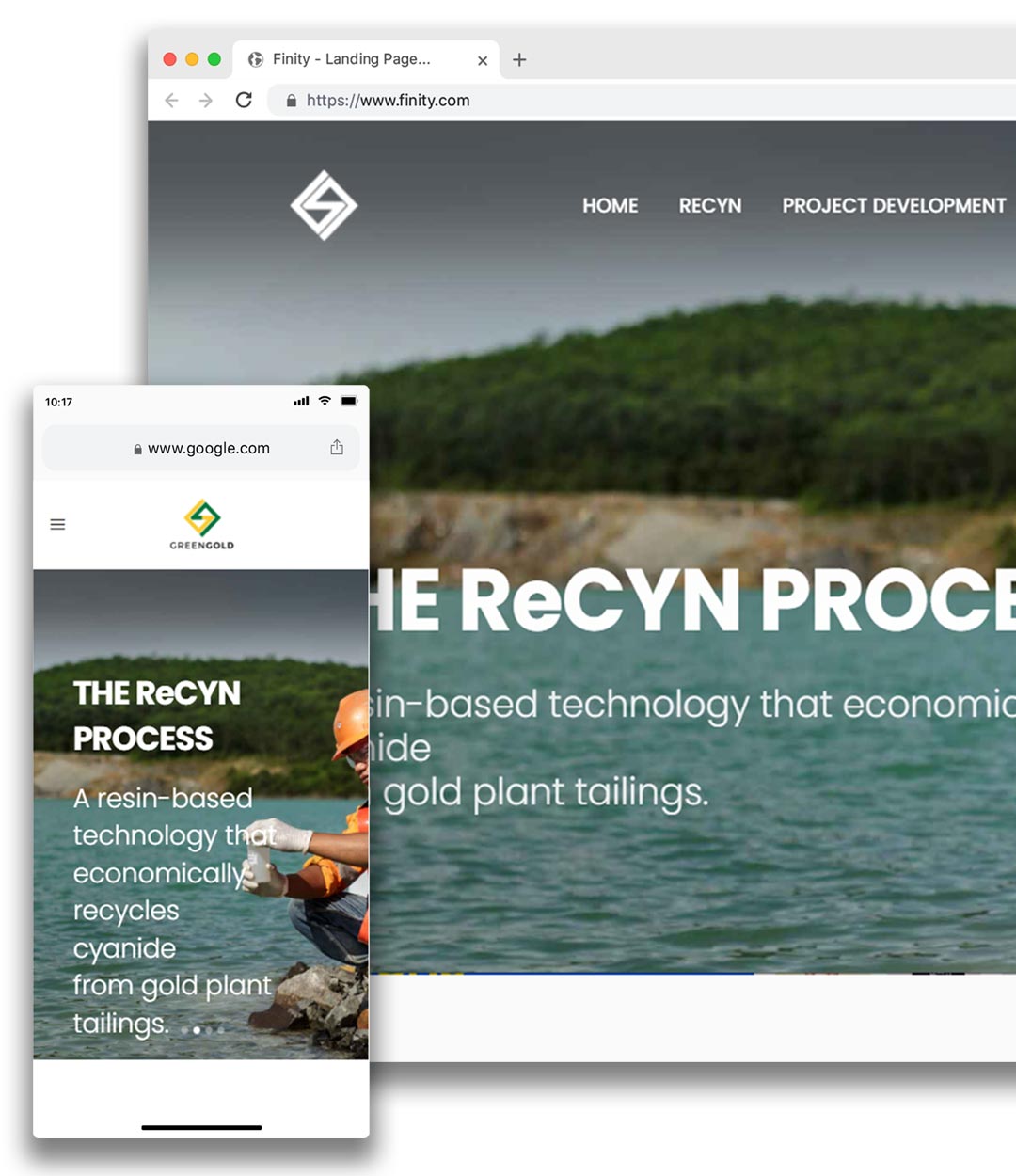
Title Tags
The HTML title element that appears in search results and browser tabs. Title tags are one of the strongest on-page ranking signals and directly impact click-through rates. Optimal length: 50-60 characters.
Meta Descriptions
The summary text that appears below your title in search results. While not a direct ranking factor, compelling meta descriptions significantly improve click-through rates. Optimal length: 150-160 characters.
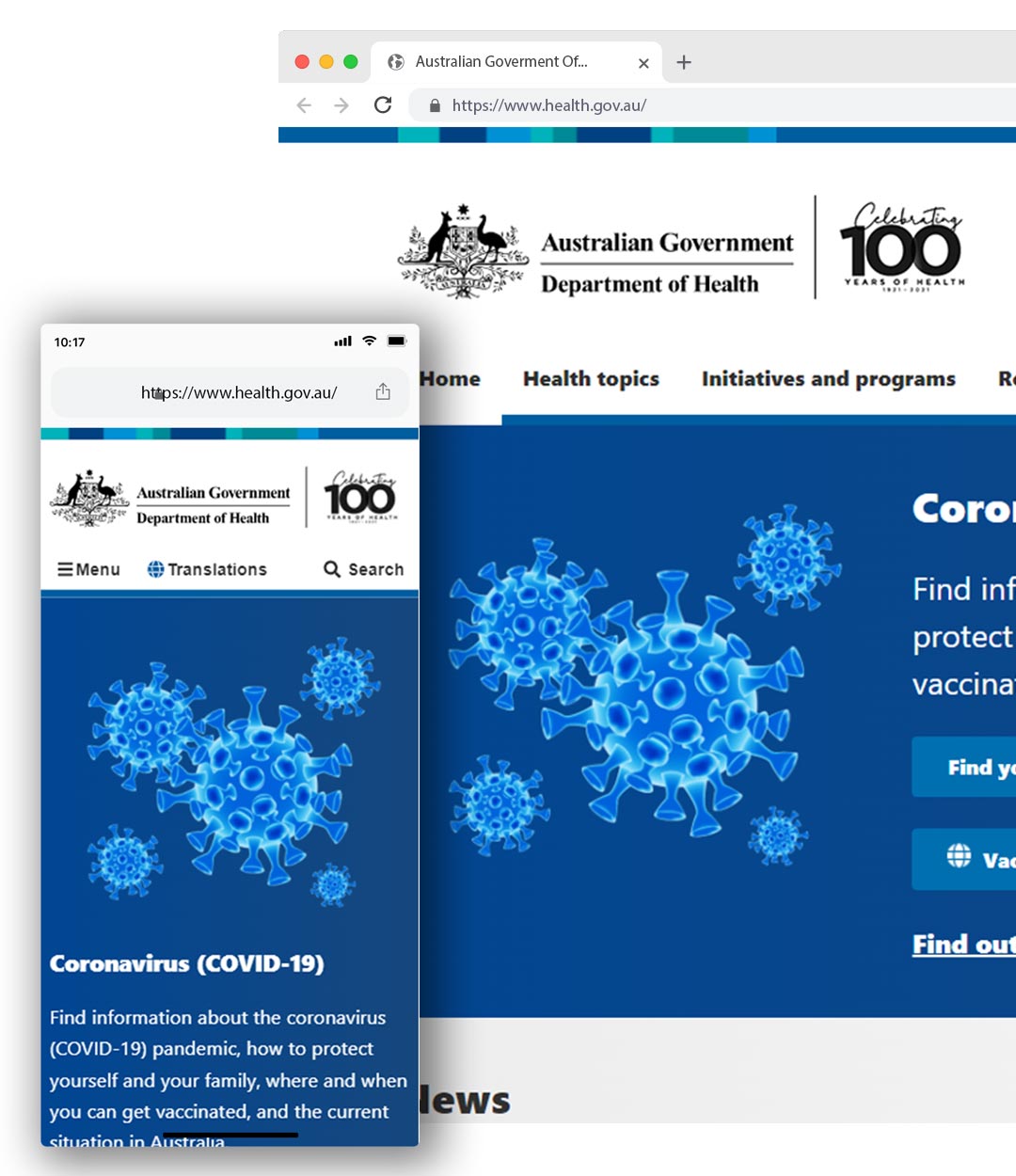
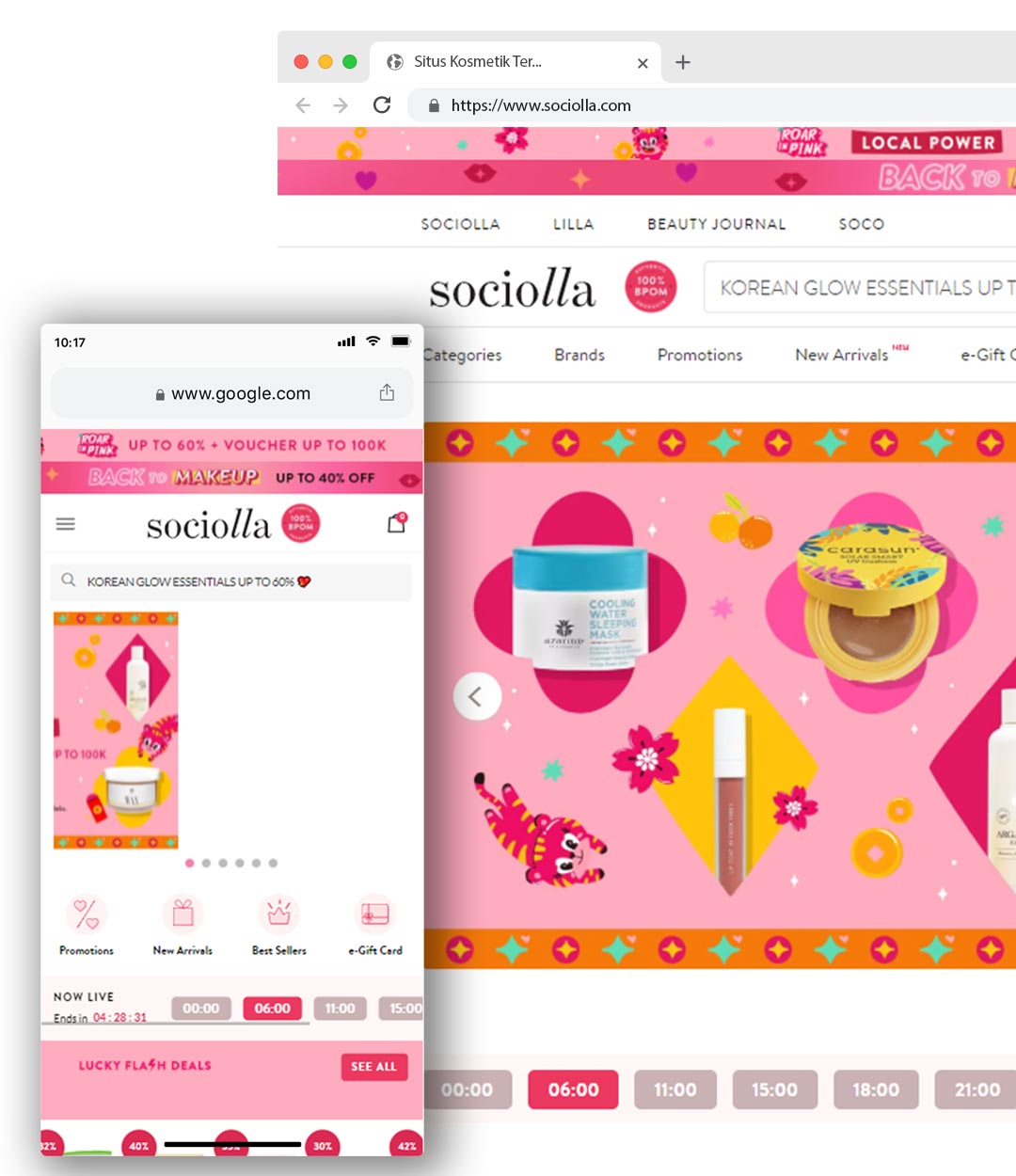
Contoh website Marketplace
Header Tags (H1-H6)
Headers structure your content and signal topic hierarchy to search engines. The H1 should contain your primary keyword and clearly describe the page’s main topic. Subheaders (H2-H6) organize supporting content.
Content Quality & Depth
Comprehensive content that thoroughly addresses user intent ranks better than thin content. We ensure your pages provide genuine value and cover topics with appropriate depth for your audience.
Contoh website Marketplace
Keyword Placement
Strategic placement of keywords in titles, headers, opening paragraphs, and throughout content—without keyword stuffing. Natural, contextual keyword usage signals relevance to search engines.
Internal Links
Links between pages on your site that help users navigate and help search engines understand content relationships. Anchor text should be descriptive and relevant to the linked page.
Contoh website Marketplace
Image Alt Text
Alternative text that describes images for accessibility and search engines. Alt text helps images rank in image search and provides context when images can’t be displayed.
URL Structure
Clean, descriptive URLs that include relevant keywords and clearly indicate page content. Good URLs are short, readable, and logically structured.
Our On-Page SEO Process
We follow a systematic approach to on-page optimization that delivers measurable improvements.
1
Step 1
Page Audit & Analysis
We analyze your existing pages—current rankings, keyword targeting, content quality, and technical elements. This identifies what's working, what's not, and where the biggest opportunities exist.
2
Step 2
Keyword Research & Mapping
We research keywords relevant to your business and map them to specific pages. Each page gets a clear primary keyword focus plus supporting secondary keywords.
3
Step 3
Competitor Analysis
We analyze top-ranking pages for your target keywords—their content depth, structure, and optimization tactics. This reveals what's working in your niche and identifies gaps to exploit.
4
Step 4
Optimization Recommendations
We provide detailed, page-by-page recommendations for title tags, meta descriptions, headers, content improvements, internal links, and image optimization.
5
Step 5
Implementation
We implement optimizations directly or provide your team with clear specifications. All changes are documented and tracked for performance monitoring.
6
Step 6
Performance Tracking
We monitor ranking changes, traffic improvements, and click-through rates for optimized pages. Ongoing tracking identifies what's working and where further optimization is needed.
SEO Results We've Delivered
Let's see the results.

Omnicococharchoal — Coconut Charcoal Export
Industry: B2B Manufacturing / Export
Challenge: Competing against established international players in the coconut charcoal export market. Previously relied entirely on paid advertising for lead generation.
Solution: Comprehensive B2B SEO strategy targeting international buyers, including technical optimization, product page optimization, and content strategy for export-related queries.
Result: 1-2 qualified international leads per day by month six. Reduced dependence on paid advertising while increasing lead quality.
Read full case study →
Menard-Asia — Geotechnical Engineering
Industry: B2B Construction / Engineering Services
Challenge: Conservative B2B industry with limited digital marketing adoption. Needed to establish online presence and reach project managers across Asia.
Solution: Built strong SEO foundation with technical optimization, service page development, and content strategy targeting geotechnical engineering queries.
Result: Established visibility in the geotechnical industry across Asia. Strong digital foundation supporting ongoing lead generation.
Read full case study →
On-Page SEO vs Technical SEO
vs Off-Page SEO
Understanding how on-page SEO fits into the broader SEO picture:
On-Page SEO
Focuses on optimizing individual page content and HTML elements—title tags, headers, content, keywords, internal links, images. On-page SEO is about relevance: helping search engines understand what your pages are about.
Technical SEO
Focuses on website infrastructure—crawlability, indexation, site speed, mobile optimization, structured data. Technical SEO is about accessibility: ensuring search engines can find, crawl, and render your pages.
Off-Page SEO
Focuses on external signals—backlinks, brand mentions, social signals. Off-page SEO is about authority: building trust and credibility through external validation from other websites.
All three work together
Technical SEO ensures search engines can access your site. On-page SEO ensures they understand your content. Off-page SEO convinces them your content deserves to rank.
Why Choose Crooud
for On-Page SEO
Semantic SEO Expertise
We go beyond basic keyword optimization. Our approach incorporates semantic SEO principles—entity optimization, topical relevance, and content comprehensiveness that align with how modern search engines actually evaluate content.
Data-Driven Recommendations
Every recommendation is based on keyword research, competitor analysis, and search intent data—not guesswork. We prioritize optimizations based on potential impact, ensuring your resources focus on changes that matter.


Clear, Actionable Deliverables
You receive detailed optimization specifications your team can implement—or we handle implementation directly. No vague advice; every recommendation includes specific changes and clear rationale.
Results-Focused Approach
We measure success by rankings, traffic, and conversions—not just completed tasks. Ongoing performance tracking ensures optimizations deliver the results they're designed to achieve.
Frequently Asked Questions About On-Page SEO
How long does on-page SEO take to show results?
On-page optimizations typically show initial results within 2-8 weeks as Google recrawls and reindexes your pages. Significant ranking improvements often take 2-4 months to fully materialize. The timeline depends on your site’s authority, competition, and how substantial the changes are.
How many pages should I optimize?
Start with your highest-value pages—those targeting your most important keywords or generating the most conversions. We typically recommend prioritizing 10-20 key pages initially, then expanding optimization efforts based on results and resources.
Is on-page SEO a one-time project?
Initial optimization can be a one-time project, but on-page SEO benefits from ongoing attention. Search algorithms evolve, competitors adjust their strategies, and new content opportunities emerge. We recommend periodic reviews and updates to maintain and improve rankings.
What's the ideal keyword density?
There’s no magic keyword density number. Modern SEO focuses on natural keyword usage that serves readers—not hitting a specific percentage. We optimize for semantic relevance and topic comprehensiveness rather than keyword frequency.
Should I optimize existing content or create new pages?
Often both. Existing pages with authority benefit from optimization to better target keywords. But if you have keyword gaps—important terms with no targeting pages—new content may be needed. We analyze your situation and recommend the right balance.
Can on-page SEO alone improve my rankings?
On-page SEO can significantly improve rankings, especially for less competitive keywords or pages with poor existing optimization. However, competitive keywords usually require strong technical foundations and off-page authority (backlinks) alongside on-page optimization.
Ready to Optimize Your Pages for Search?
Let’s analyze your pages and identify the on-page improvements that will have the biggest impact on your rankings. Free consultation—no obligations.